
Aoraki/Mount Cook
Alpine Village
Your Complete Visitor Guide
Welcome to Aoraki/Mount Cook
Home to a breathtaking environment of glaciers, terminal lakes, turbulent rivers, rising peaks, and an iconic hotel.
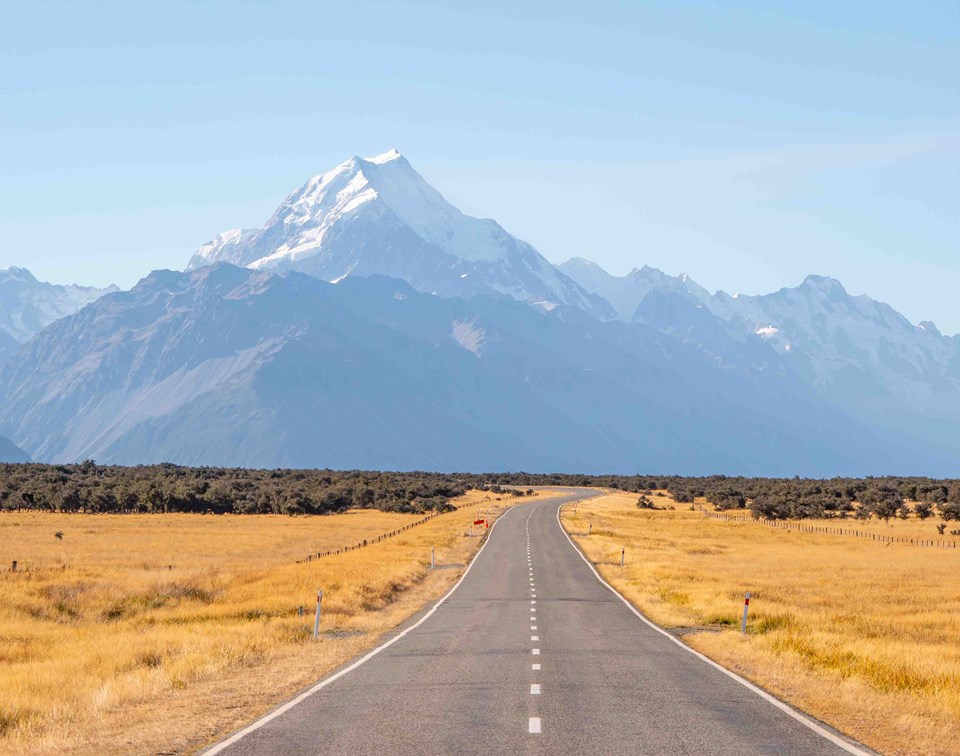
Aoraki/Mount Cook Alpine Village is a remote settlement and the main visitor hub in the heart of Aoraki/Mount Cook National Park, located on New Zealand's South Island, approximately halfway between Christchurch (4.5 hrs) and Queenstown (3.5 hrs). It is home to the iconic Hermitage Hotel, the only accommodation in the park with direct views of Aoraki, New Zealand's highest peak at 3,724m. The village sits within New Zealand's largest Gold Status International Dark Sky Reserve and is the gateway to the Hooker Valley Track, Glacier Explorers boat tours, and world-class alpine hiking.
About Aoraki/Mount Cook National Park
The Aoraki/Mount Cook National Park has been recognised internationally as part of the Te Wāhipounamu UNESCO World Heritage Area. The region boasts more than 140 peaks over 2,000m (6,500ft) and contains all but five of New Zealand’s peaks over 3,000m (10,000ft). The mighty Aoraki/Mount Cook stands at 3,724 metres and is the highest peak in Australasia. Glaciers cover 40% of the park and it is home to the Tasman Glacier, the longest glacier in the Southern Hemisphere and the largest in New Zealand.
How to Get to Aoraki/Mount Cook Alpine Village
Aoraki/Mount Cook National Park is situated on New Zealand’s South Island, approximately halfway between Queenstown and Christchurch.
The nearest airports are Queenstown and Christchurch. There is no commercial airport at Mount Cook itsel. From Queenstown, the drive is 3.5 – 4 hours and passes through quaint towns like Cromwell, Tarras, and Omarama. The drive will also take you over one of New Zealand’s mountain passes, the Lindis Pass. From Christchurch, the drive should take you 4.5 – 5 hours via Fairlie, Geraldine, and Tekapo.
Once you arrive at the T intersection on State Highway 8 you will turn off onto State Highway 80. The road winds along Lake Pukaki for 55km until you reach Aoraki/Mount Cook Alpine Village.
The easiest way to reach the village is to self-drive. There are also some guided day trips from Queenstown and a bus connection from both Queenstown and Christchurch. Find more information here on the various options.
Aoraki/Mount Cook Weather: What to Expect
The weather in Aoraki/Mount Cook can be incredibly unpredictable, although many argue that the slightly erratic weather conditions just add to the region’s charm! We would always recommend dressing for four seasons in one day so you don’t get caught out. Aoraki translated from Te Reo Maori to English means ‘cloud piercer’ so don’t be surprised to see some clouds lingering around the top of mighty Aoraki.
Temperatures range from around 15–25°C in summer (December–February) to below 0°C in winter (June–August), with snowfall common from May through September.
So you know what the weather is doing during your visit make sure you check out our webcams.
Accommodation in Aoraki/Mount Cook Alpine Village
Aoraki/Mount Cook is a remote location with limited accommodation so we recommend doing your research and booking before you arrive. From a historic hotel to cosy alpine huts, there are an array of options to suit every traveller’s needs and budget.
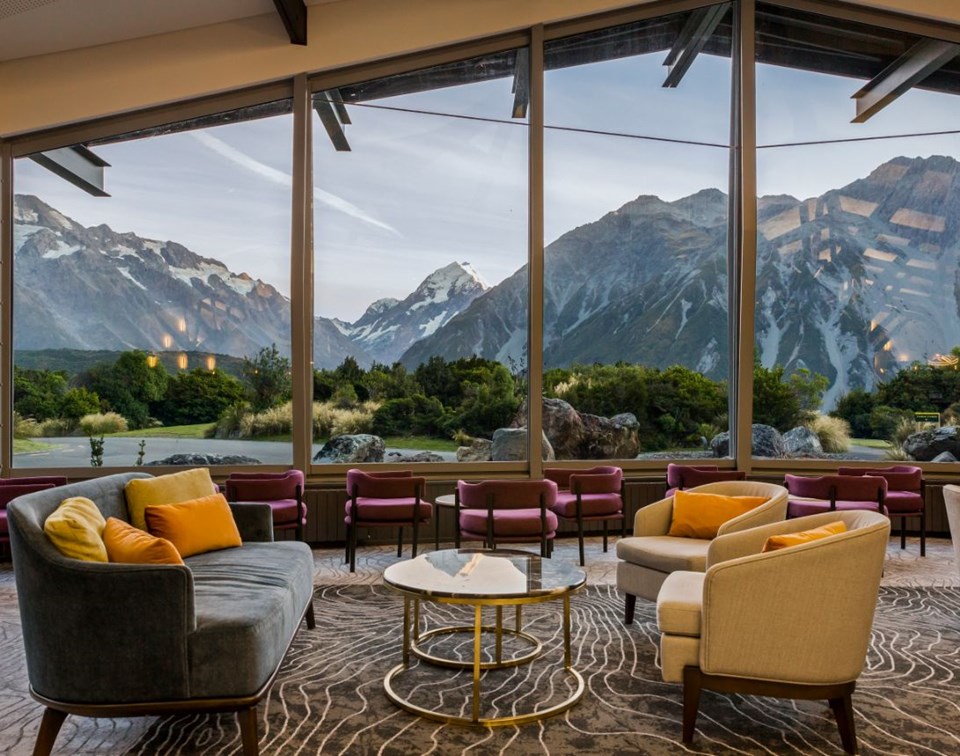
The iconic Hermitage Hotel is a landmark in the region and the most popular place among visitors to stay. It is the only accommodation that offers stunning views of Aoraki/Mount Cook from your room.
For more information or to book a stay please see here.
Where To Eat in Aoraki/Mount Cook
It’s important to remember that Aoraki/Mount Cook Alpine Village, isn’t a typical village. It is made up of a few different accommodation providers and houses for staff. There are no bars, pubs, restaurants, or shops like you would find in most small New Zealand villages or towns.
There are a few different places to eat in the area, almost all based at the Hermitage Hotel and the Mount Cook Lodge & Motels. Open all year round, Alpine Restaurant serves up a delicious buffet for breakfast and dinner and the Sir Edmund Hillary Café is the perfect place to refuel between adventures with delicious cabinet food and a selection of burgers and pizzas. From October – April the Panorama Room is open at the Hermitage which offers a set three-course meal with four options to choose from in each course. For something more casual the Chamois Bar & Grill serves delicious pub favourites and kiwi classics and is located at the Mt Cook Lodge.
For more information on opening hours or to make a reservation.
Things to Do in Aoraki/Mount Cook National Park
Aoraki/Mount Cook offers a wide range of activities for all ages and fitness levels, from glacier boat tours and stargazing to guided hikes and helicopter flights.
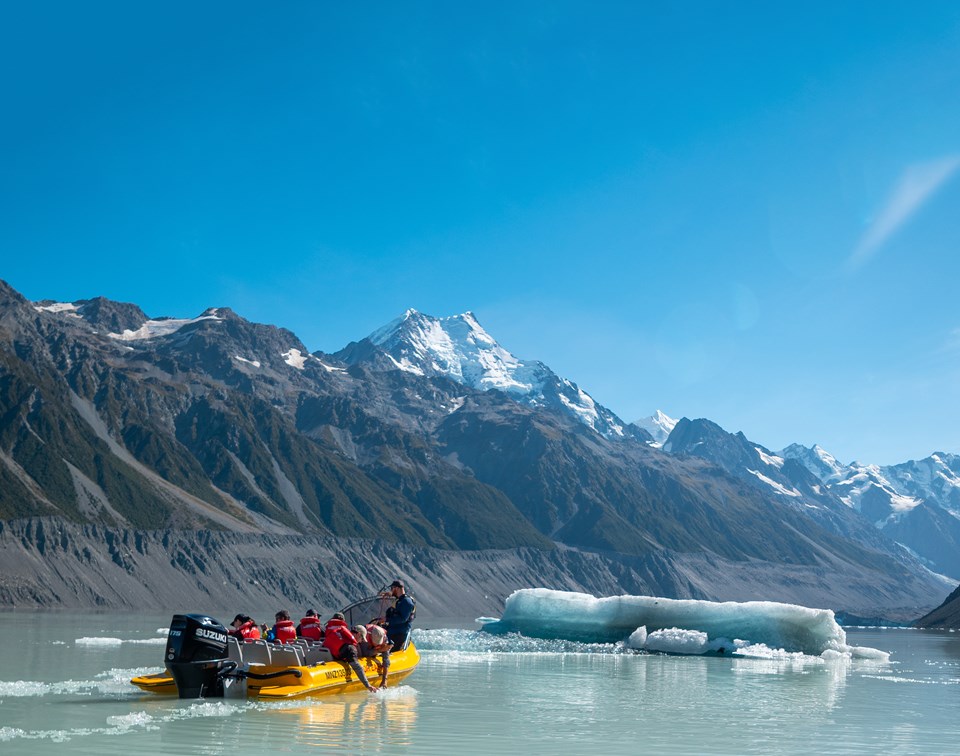
Aoraki/Mount Cook is home to New Zealand's only glacial boat tour on the Tasman Lake. Cruise the Tasman Glacial Lake with Glacier Explorers to view New Zealand's largest glacier as you weave in and out of floating icebergs.
As night falls take a mesmerising journey through the cosmos as you explore the wonders of the night sky with our astronomy guides at Big Sky Stargazing. Or explore the far reaches of our galaxy from the comfort of your seat at the state of the art indoor 360-degree indoor planetarium with galactic Journeys. Take time to dive into the history of the region at the Sir Edmund Hillary Alpine Centre.
Best Hikes in Aoraki/Mount Cook National Park
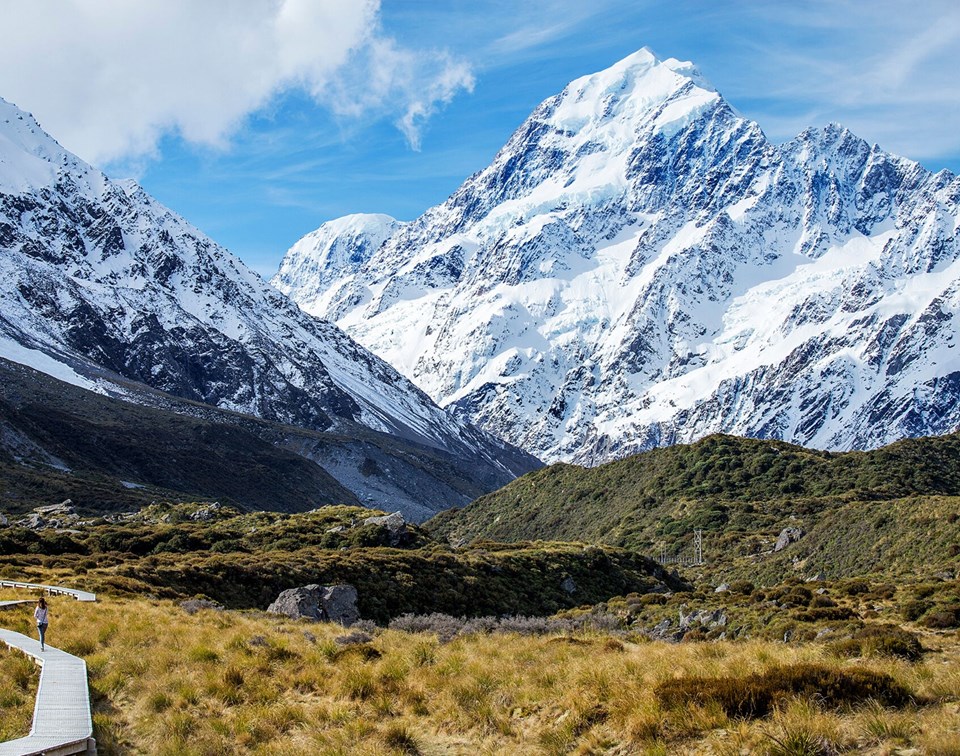
Aoraki/Mount Cook National Park boasts numerous walking and hiking trails, attracting visitors from around the world. The most popular day walk is the Hooker Valley, a 10km return trip with minimal elevation.
If you’re looking for more of a challenge there is plenty on offer. Sealy Tarns takes you up 2,2000 steps where you can take in spectacular views of Hooker Valley and Aoraki/Mount Cook. If you still have energy when you reach the freshwater tarns you can keep going to the Mueller Hut. This hike is roughly 4 hours one way from the valley floor. This is a more advanced tramping track but you are rewarded at the top with 360-degree panoramic views.
No matter the season we always recommend you check conditions with the Department of Conservation before you venture out on the trails, and always go prepared for all weather conditions.
How many days do you need in Aoraki/Mount Cook?
We recommend staying at least 2-3 nights in the village. This allows ample time to explore the trails and activities, and to unwind with a glass of wine in Snowline Bar before dinner, while enjoying the sunset over Aoraki/Mount Cook.
One night is never enough! Read here for our perfect weekend in Aoraki/Mount Cook.
Best Time to Visit Aoraki/Mount Cook
One of the special things about Aoraki/Mount Cook is that it is a great year-round destination. In summer people flock here to enjoy the many trails on offer, they want to make the most of the long days so they can squeeze in as much as possible. In winter, the village is often transformed into a winter wonderland with the valley floor blanketed in snow. Visitors come to the region to enjoy a cosy alpine experience. Winter activities include stargazing, helicopter flights with snow landings or you can ski New Zealand’s largest glacier with Ski the Tasman.
With so much on offer all year round there is always a good time to visit Aoraki/Mount Cook.

Flora and Fauna
Part of the Te Wahipounamu area, the park is more than 700 km2 and has been recognised as a UNESCO world heritage site since 1990. Boasting 23 peaks over 3000 metres high and home to 8 of the 12 largest glaciers in the country, it’s no surprise that a third of the park is covered in permanent snow and glacial ice.
There is virtually no forest in the National Park. Instead, it is home to over 300 species of plants. Around 100 of these are introduced plant species, such as lupins, wild cherry, and wilding pines whilst the rest are all native to New Zealand. Many travel to the area to see the Mount Cook Buttercup, the largest buttercup in the world, which takes centre stage. The Mount Cook Buttercup typically comes into bloom between November & February and you can find many of them huddling together just after the second bridge on the Hooker Valley Track.
Learn more about the flora and fauna of the park here.
The History of the National Park
To Ngāi Tahu, Aoraki is their most sacred ancestor, from whom they descend and derive their sense of identity, unity, and purpose. The mountain embodies this ancestor, serving as the connection between the supernatural and natural worlds. The tapu of Aoraki is crucial to the tribe, symbolising its power over life and death. Aoraki/Mount Cook holds Tōpuni status, representing Ngāi Tahu's authority and stewardship.
Although Ngāi Tahu believes it is not appropriate to climb Aoraki, European settlers and visitors have come to the area from the earliest time of settlements to climb the untouched summit. With the limited gear the early climbers had, their stories are the stuff of legends. It was first attempted in 1882 but was not summited until 1894 by three New Zealanders.
The area is now regarded as one of the finest mountaineering areas in the world.
The story of the Hermitage started 140 years ago when the first Hermitage building was built by White Horse Hill. The history of the Hermitage is peppered with dramatic tales of fire, flood tragedy, and triumph.

Frequently Asked Questions
How many days should I spend in Aoraki / Mount Cook?
Most visitors stay one to three nights. A two-night stay allows enough time to explore popular walking tracks, enjoy guided experiences, and experience the region's renowned dark skies.
What is the closest town to Aoraki / Mount Cook?
The nearest town is Twizel, approximately 65 kilometres from Aoraki / Mount Cook Alpine Village. Twizel offers additional services including supermarkets, fuel stations, and retail stores.
Is Aoraki / Mount Cook worth visiting?
Aoraki / Mount Cook is one of New Zealand's most iconic alpine destinations, known for its mountain scenery, glaciers, walking tracks, stargazing opportunities, and unique location within a national park.
Do I need to book accommodation in advance?
Accommodation is limited within Aoraki / Mount Cook National Park and can book out well in advance during peak travel periods. Advance reservations are strongly recommended.

Frequently Asked Questions
Can I visit Aoraki / Mount Cook as a day trip?
Yes, many visitors arrive as a day trip from Lake Tekapo, Twizel, Christchurch, or Queenstown. However, staying overnight allows more time to explore the walking tracks, activities, and night skies.
Is there fuel available in Aoraki / Mount Cook Village?
There are no public fuel stations within Aoraki / Mount Cook Village. Visitors should ensure they have sufficient fuel before arriving, with the nearest fuel available in Twizel.
What should I pack for a visit to Aoraki / Mount Cook?
Weather conditions can change quickly in alpine environments. Comfortable walking shoes, warm layers, waterproof clothing, sun protection, and a reusable water bottle are recommended year-round.
When is the best time of year to visit Aoraki / Mount Cook?
Aoraki / Mount Cook can be visited year-round. Summer offers longer days and excellent walking conditions, while winter brings snow-covered landscapes and exceptional mountain views.
With so much on offer and so much to explore Aoraki/Mount Cook is a playground for all types of adventurers. The only thing to do now is decide when to go!

The Hermitage Hotel

Mt Cook Lodge & Motels

Hooker Valley Track

Sealy Tarns

Sir Edmund Hillary Alpine Centre

The night sky in Aoraki/Mount Cook

Views of Aoraki/Mount Cook from the Hermitage

Alpine Restaurant

Aoraki/Mount Cook Alpine Village in winter

View over the Hooker Valley

Snowline Bar

Glacier Explorers

Big Sky Stargazing Indoor Planetarium